
ABDOMINOPLASTY
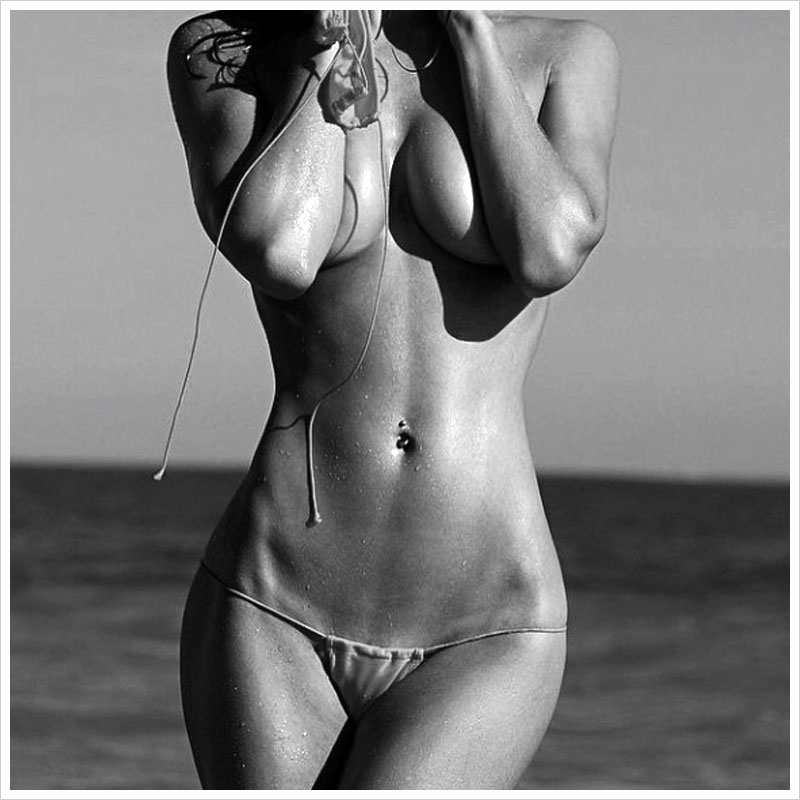
You can find the details of the aesthetic application made to have a tighter abdomen, with abdominal fat removal abdominoplasty applications, below.
Sagging and loosening occur due to the deformation of the abdominal skin and muscles as a result of excessive weight gain, usually in women, but also in men. The most important factor in women is past pregnancies. With the tearing of the tissues between the muscles that make up the front wall of the abdomen and keep the internal organs inside, allowing the abdomen to appear flat, the muscles separate from each other, and with the pushing of the organs from the inside, the abdomen looks outward, protruding and sagging. If your abdomen is not only oily, but also the muscles are opened and sagged, it is possible to have a brand new look with abdominal aesthetics “abdominoplasty” surgery.
The ideal solution is the aesthetic abdominal surgery, known in the medical literature as abdominoplasty or tummy tuck. Abdominal surgery is mostly done for those who want to get rid of the stretch marks and sagging caused by pregnancy. The reason for the loosening of the abdominal skin and the formation of fat in the abdomen may be hereditary. However, significant weight loss also causes the abdominal skin to loosen and sag. In addition, at the end of pregnancy, the enlarged anterior wall of the abdomen is narrowed in the surgery, the loosened and opened abdominal muscles are tightened, and the excess of the sagging abdominal muscles and skin is taken together with the fats.
Who is Abdominal Lift Surgery Performed For?
- If your abdominal skin is severely loosened and sagged forward,
- If your abdomen is protruding forward and has grown in proportion to your body,
- If your abdominal muscles are loosened and opened,
- If the volume of your abdominal tissues has expanded,
You may be considered a suitable candidate for abdominal surgery.2
Abdominoplasty
Tummy tuck surgery is performed under general anesthesia. Two methods are applied in the surgery: mini abdominoplasty and abdominoplasty. Mini abdominoplasty is used for slightly sagged abdomens, and abdominoplasty is used in cases with advanced deformation of the abdominal wall.
Initially, after the excess fats in the abdomen and around it are removed by the fat removal method, the weakened abdominal muscles and3 umbilical hernia, if any, are repaired by entering through an incision previously marked in the groin and usually from the cesarean section site. Thus, laxity is eliminated. The distance of about 0.5 cm between the muscles that make up the front wall of the abdomen opens up to 20-25 cm depending on the pregnancy and does not close in a similar way to the old one.
In the surgery, the existing laxity is narrowed and the abdominal wall is stretched and reduced, as a result, the waist is thinned, that is, it has reached its pre-birth dimensions. The sagging skin is stretched and pulled down, and the excess part is cut and discarded. A drain is placed to remove the fluids that may accumulate under the skin, and the renewed abdominal skin is sewn back to its new place. The operation time is 60-120 minutes.
In addition, if there is only excess fat in the abdomen, it is removed by the fat removal method. In other words, the application is to benefit from a kind of auxiliary method. After the laxity in the abdominal wall is eliminated and the excess of the skin is cut and removed, the fats on the side of the waist and hips are removed by drawing, giving the abdomen a smooth shape.
The incisions are made horizontally so that they remain under the bikini. Over time, the incision scars become indistinct and no visible scar remains.
Post-operative and return to normal
After the aesthetic abdominal surgery, patients stay in the hospital for 1-2 days and rest at home for a few days. You should walk the day after the surgery to ensure blood circulation. Even if you cannot stand upright, you should not spend a few weeks sitting or lying down. Let us not forget that stretching, bending down, etc. will strain your abdominal muscles and increase the swelling, and even lead to bleeding. Instead of being bedridden, it is recommended that you walk, provided that it is not too much.
The drains are removed within a few days after the surgery. Swelling and bruising seen in the first weeks are normal and begin to decrease over time. However, you should wait 1-2 months for the swelling to completely pass and to see the definite result of the surgery. You can return to your job after the 1st week of the surgery.
If liposuction has been performed, you should wear a corset for about 3-4 weeks. Normal walking can be done. There are no stitches to be taken out except for the navel, the wound is closed with the tissue adhesive method, which is why there are fewer scars.
Final Word
Abdominoplasty surgery not only provides aesthetic correction, but also corrects many functional disorders by repairing the deteriorated and deformed anatomical structure. Internal organs that hang on the back and waist sag because the abdominal wall cannot support from the front, leading to back and waist pain, and due to the sagging in the intestines, it leads to circulatory disorders, causing digestive disorders and indigestion complaints. Indigestion and gas complaints are present in many women who have given birth. As a result of the sagging of the abdominal wall, the female genital organ can also sag downwards. Sagging vagina causes urinary incontinence complaints to appear in advanced ages and reduces the rate of sexual pleasure.
As can be seen, abdominoplasty surgery, apart from having a flat and aesthetic abdomen, also provides a healthier and trouble-free anatomical structure.